



Chellah Castle
Popular

Description
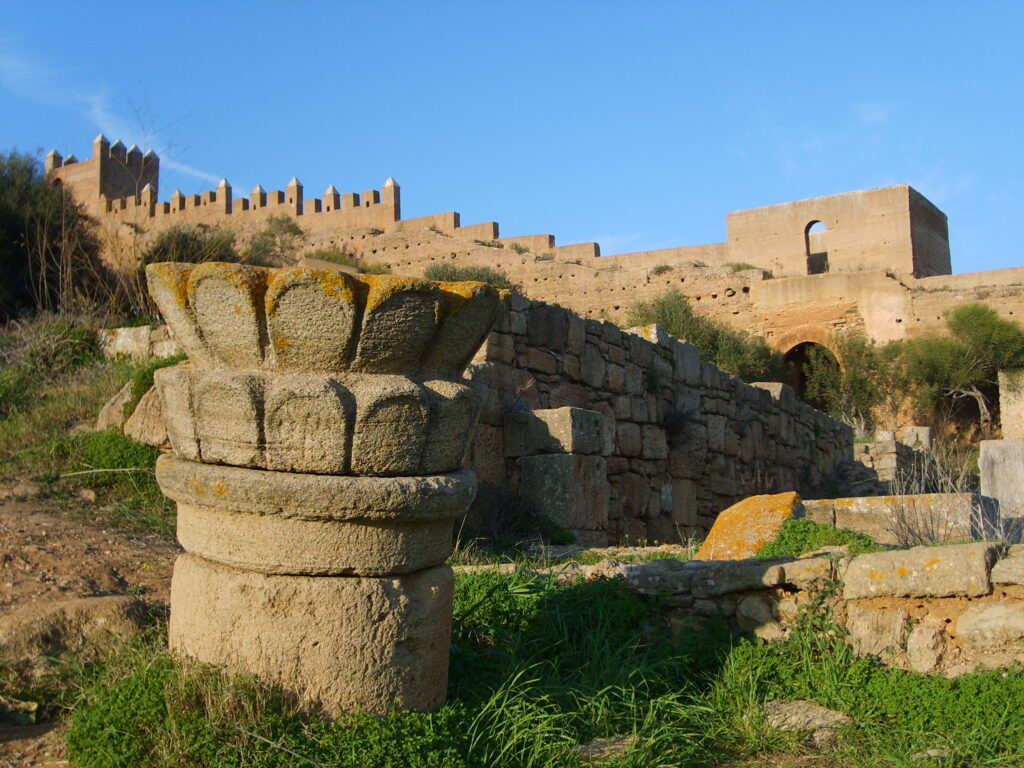
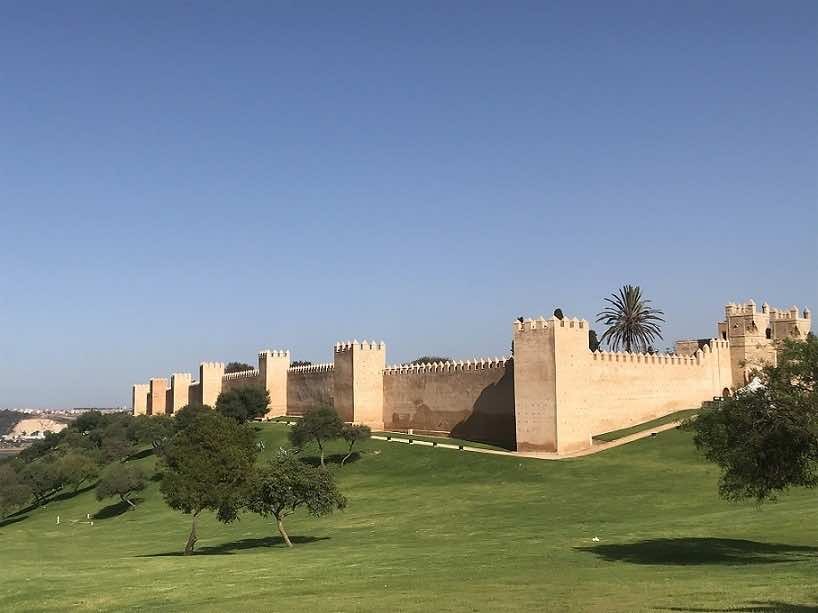
The site often referred to as “Chellah Castle” is actually the Chellah Archaeological Site (or Necropolis) in Rabat, Morocco. It is a UNESCO World Heritage site known for its blend of ancient Roman ruins and medieval Islamic architecture, surrounded by imposing Marinid-era walls.
History
- Ancient Origins: The site was first occupied by Phoenician traders and later became the Roman port city of Sala Colonia around 40 AD.
- Medieval Necropolis: After being abandoned in the 12th century, the site was transformed into a royal necropolis for the Marinid dynasty in the 14th century. Sultans built a mosque, a madrasa (school), and mausoleums within new fortified walls.Decline and Restoration: The site was damaged by the 1755 Lisbon earthquake and subsequently fell into ruin, but it became a protected historical monument in 1920 and a tourist attraction known for its serene atmosphere and resident storks.
Visitor Information
- Location: The site is located on the south side of the Bou Regreg estuary, about 2 km southeast of Rabat’s city center. The entrance is near Avenue Mussa Ibn Nusair.
- Hours:
- Winter (October-March): 9:00 a.m. to 5:00 p.m.
- Summer (April-September): 9:00 a.m. to 8:00 p.m.
- Admission: Entry requires a ticket, typically around 70 Moroccan dirhams for adults, with potential discounts available for children and residents.
- Events: The Chellah site occasionally hosts cultural events, such as the annual Jazz au Chellah festival.
Features
Key Features and Attractions
Roman Ruins: Visitors can explore the remnants of the ancient Roman city, including the main street (Decumanus Maximus), a forum, temples, and a triumphal arch.
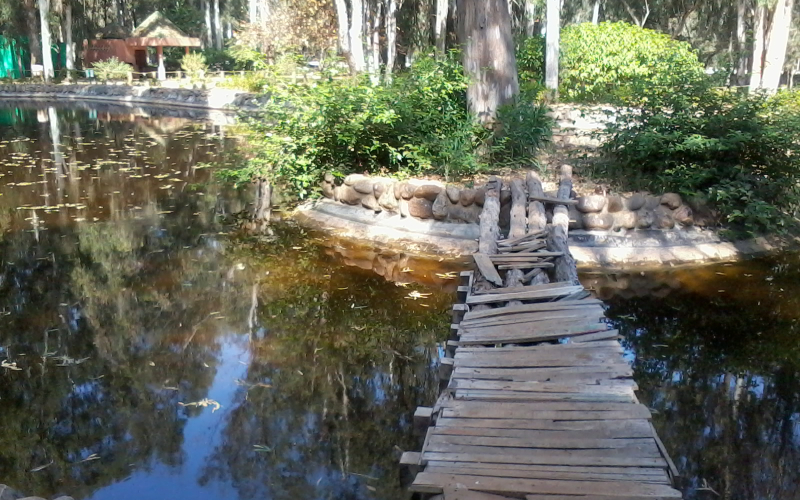
Marinid Complex: The Islamic section features the minaret of a ruined mosque, several mausoleums (including that of Sultan Abu al-Hasan), and a pool (Bassin aux Anguilles) where eels are traditionally fed for good luck.
Nature and Wildlife: The site is a lush, garden-like space that is famous for hosting a large colony of storks, which build their nests atop the ancient ruins and trees.
Roman Ruins: Visitors can explore the remnants of the ancient Roman city, including the main street (Decumanus Maximus), a forum, temples, and a triumphal arch.
Marinid Complex: The Islamic section features the minaret of a ruined mosque, several mausoleums (including that of Sultan Abu al-Hasan), and a pool (Bassin aux Anguilles) where eels are traditionally fed for good luck.
Nature and Wildlife: The site is a lush, garden-like space that is famous for hosting a large colony of storks, which build their nests atop the ancient ruins and trees.
Location
Review
Login to Write Your ReviewThere are no reviews yet.

Popular
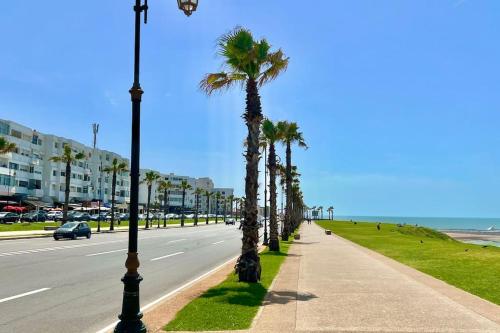
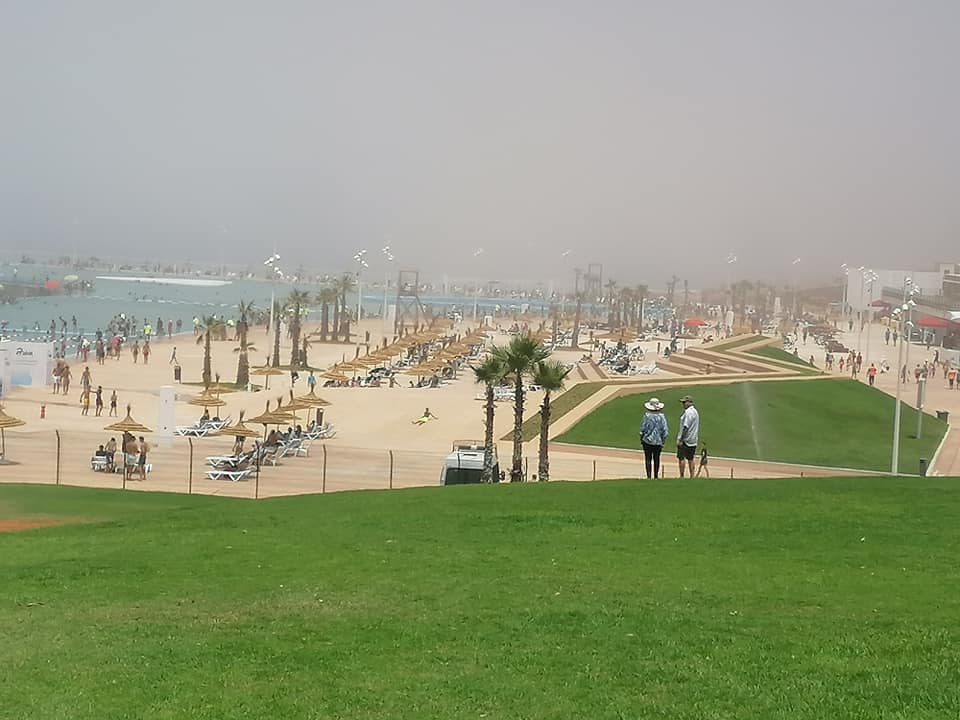
- Angle Avenue Moustapha Essayeh, Av. des Forces Armées Royales, Rabat 10000
- November 21, 2025

Popular
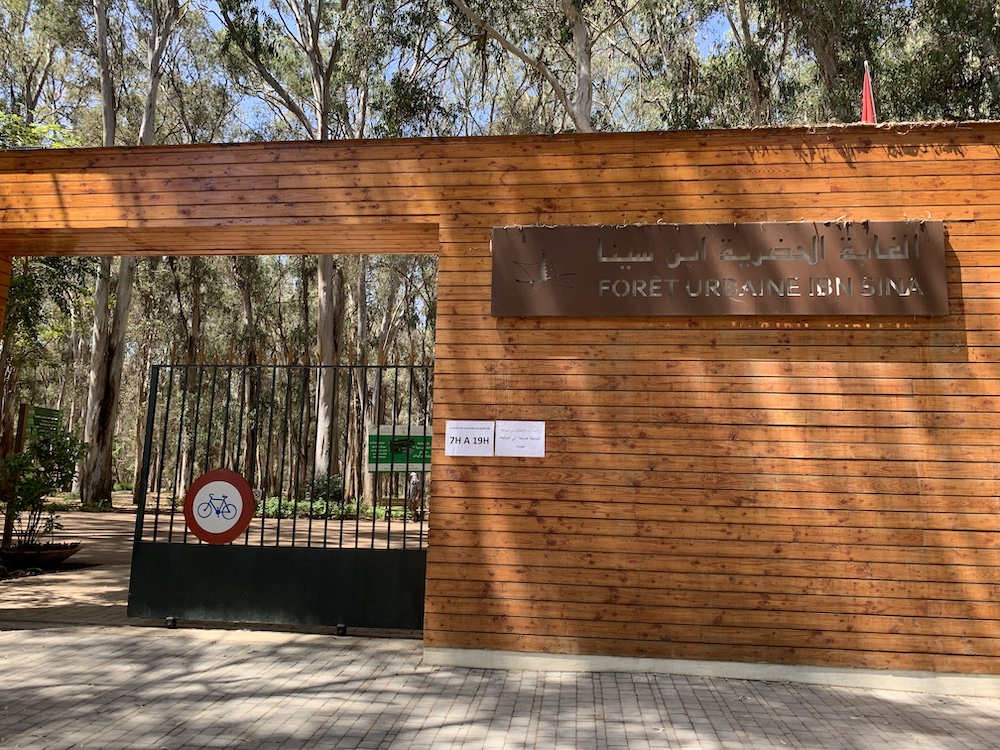
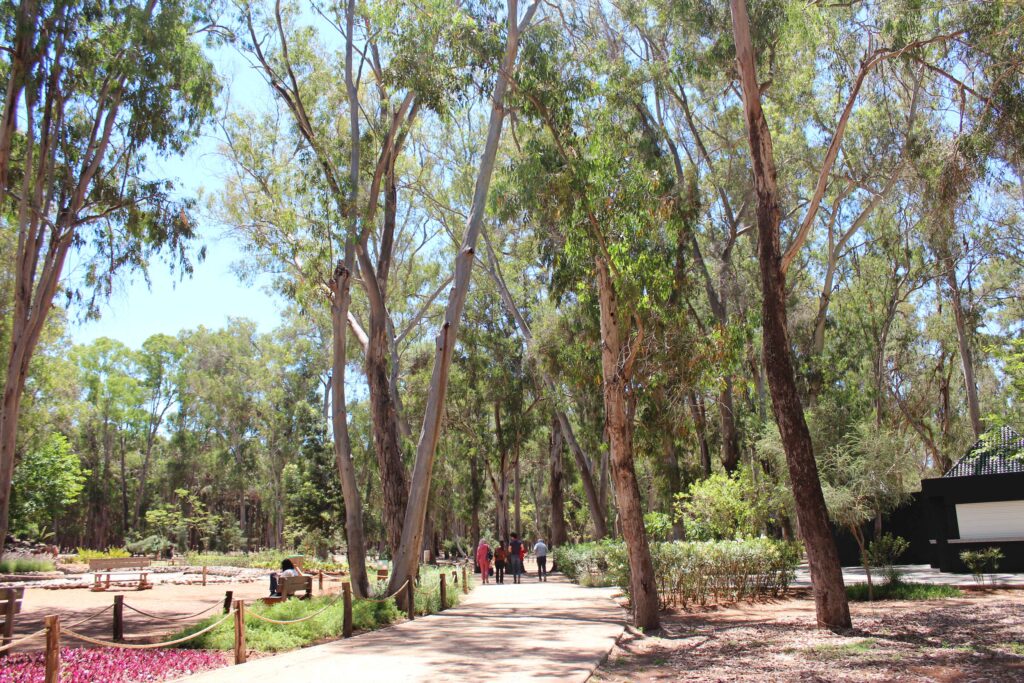
- X4XC+3P6, Av. Moustapha Assayeh, Rabat
- November 21, 2025
Popular
- X5P4+FR Rabat
- November 21, 2025