



Chellah Castle
Populaire

Description
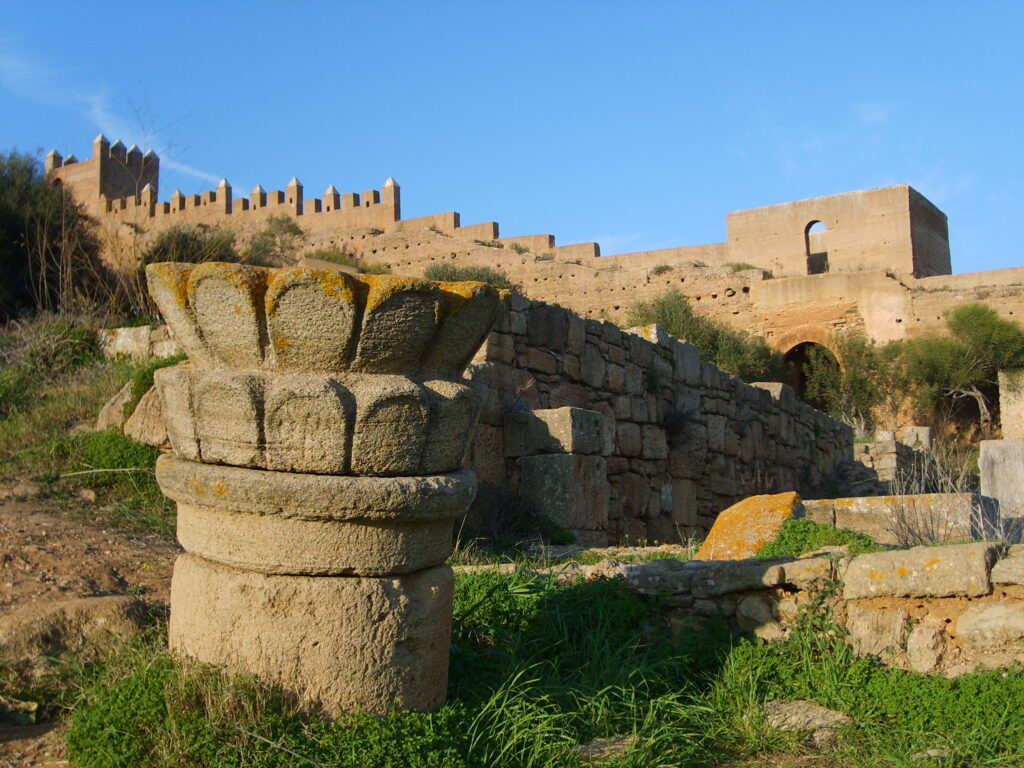
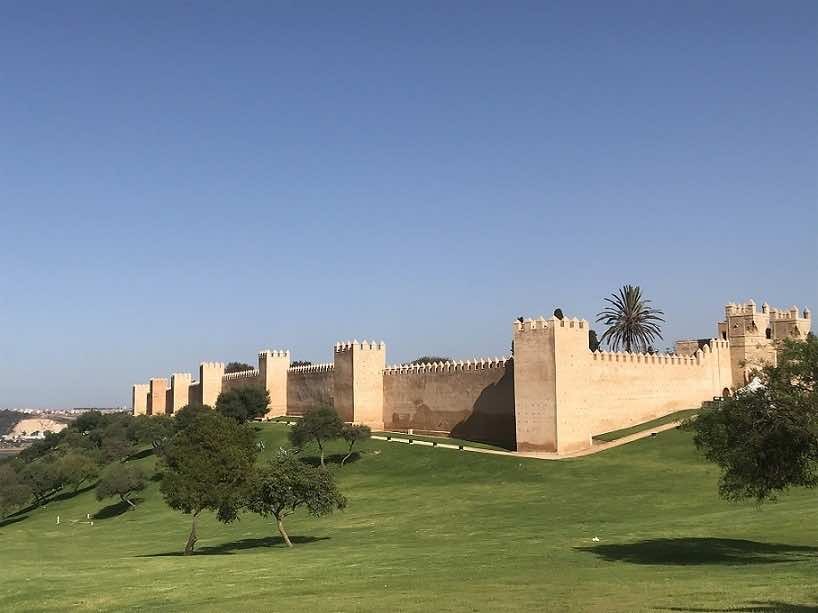
The site often referred to as “Chellah Castle” is actually the Chellah Archaeological Site (or Necropolis) in Rabat, Morocco. It is a UNESCO World Heritage site known for its blend of ancient Roman ruins and medieval Islamic architecture, surrounded by imposing Marinid-era walls.
History
- Ancient Origins: The site was first occupied by Phoenician traders and later became the Roman port city of Sala Colonia around 40 AD.
- Medieval Necropolis: After being abandoned in the 12th century, the site was transformed into a royal necropolis for the Marinid dynasty in the 14th century. Sultans built a mosque, a madrasa (school), and mausoleums within new fortified walls.Decline and Restoration: The site was damaged by the 1755 Lisbon earthquake and subsequently fell into ruin, but it became a protected historical monument in 1920 and a tourist attraction known for its serene atmosphere and resident storks.
Visitor Information
- Emplacement: The site is located on the south side of the Bou Regreg estuary, about 2 km southeast of Rabat’s city center. The entrance is near Avenue Mussa Ibn Nusair.
- Hours:
- Winter (October-March): 9:00 a.m. to 5:00 p.m.
- Summer (April-September): 9:00 a.m. to 8:00 p.m.
- Admission: Entry requires a ticket, typically around 70 Moroccan dirhams for adults, with potential discounts available for children and residents.
- Events: The Chellah site occasionally hosts cultural events, such as the annual Jazz au Chellah festival.
Caractéristiques
Key Features and Attractions
Roman Ruins: Visitors can explore the remnants of the ancient Roman city, including the main street (Decumanus Maximus), a forum, temples, and a triumphal arch.
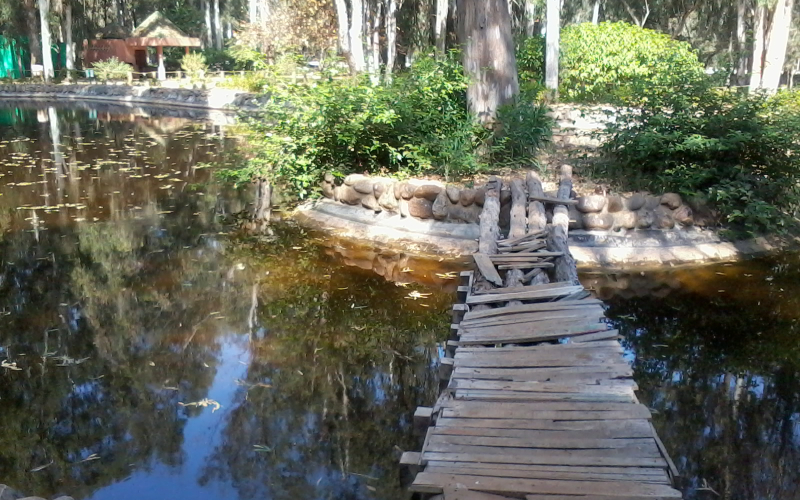
Marinid Complex: The Islamic section features the minaret of a ruined mosque, several mausoleums (including that of Sultan Abu al-Hasan), and a pool (Bassin aux Anguilles) where eels are traditionally fed for good luck.
Nature and Wildlife: The site is a lush, garden-like space that is famous for hosting a large colony of storks, which build their nests atop the ancient ruins and trees.
Roman Ruins: Visitors can explore the remnants of the ancient Roman city, including the main street (Decumanus Maximus), a forum, temples, and a triumphal arch.
Marinid Complex: The Islamic section features the minaret of a ruined mosque, several mausoleums (including that of Sultan Abu al-Hasan), and a pool (Bassin aux Anguilles) where eels are traditionally fed for good luck.
Nature and Wildlife: The site is a lush, garden-like space that is famous for hosting a large colony of storks, which build their nests atop the ancient ruins and trees.
Emplacement
Revoir
Login to Write Your ReviewLimiter la réponse aux objets dont le nombre de commandes est compris entre deux valeurs entières données.

Populaire
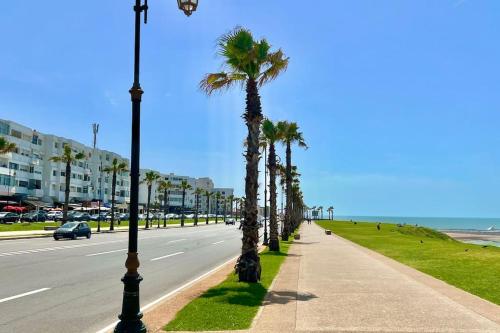
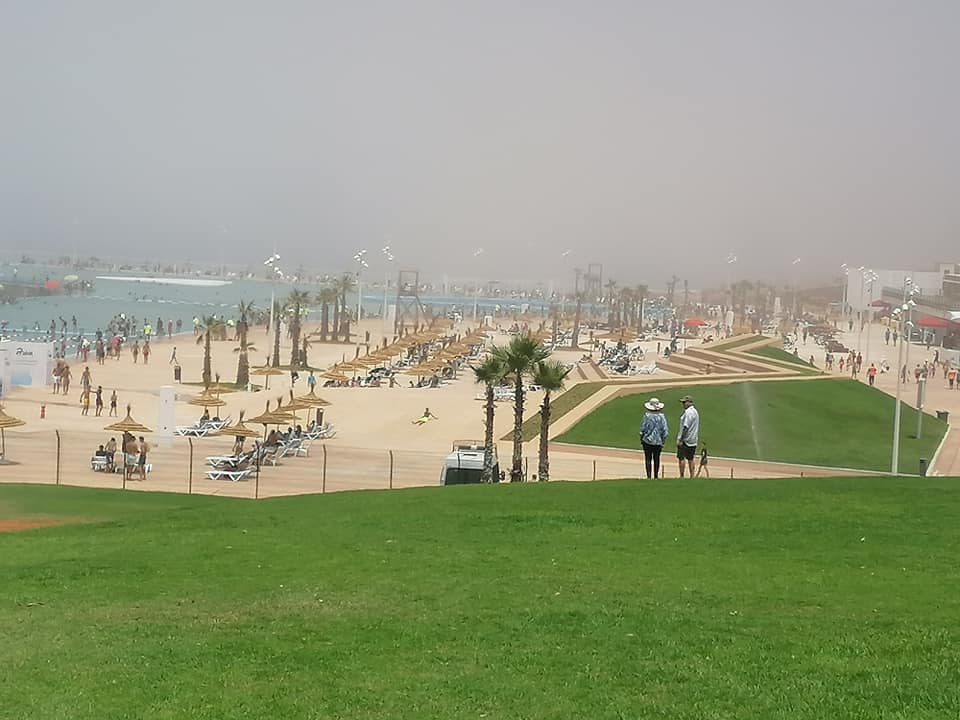
- Angle Avenue Moustapha Essayeh, Av. des Forces Armées Royales, Rabat 10000
- novembre 21, 2025

Populaire
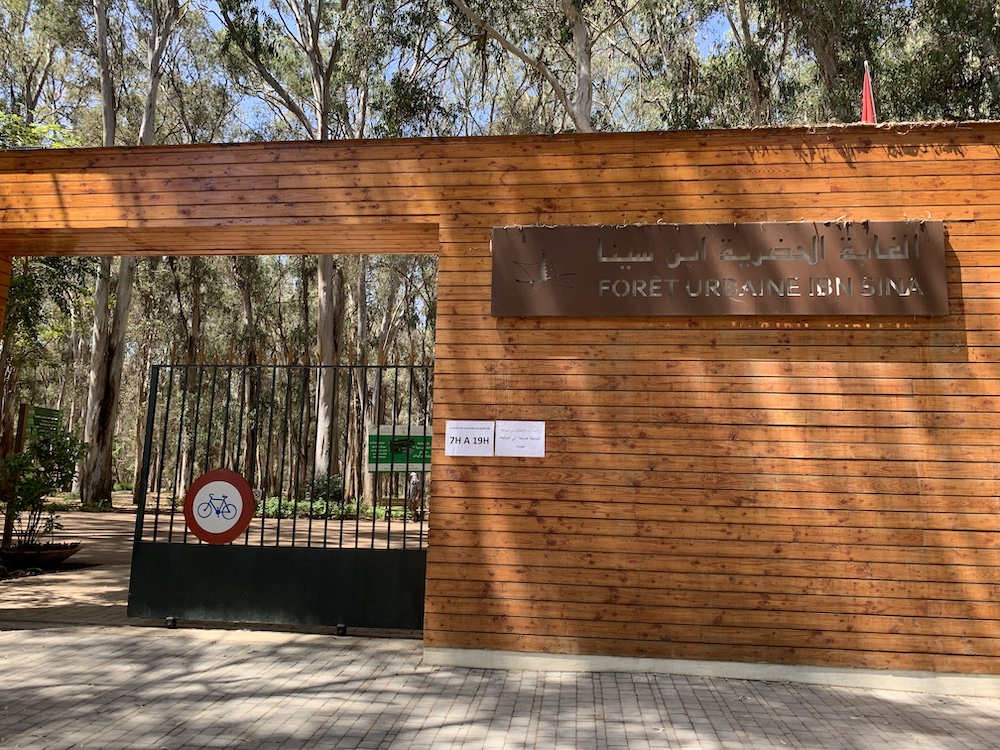
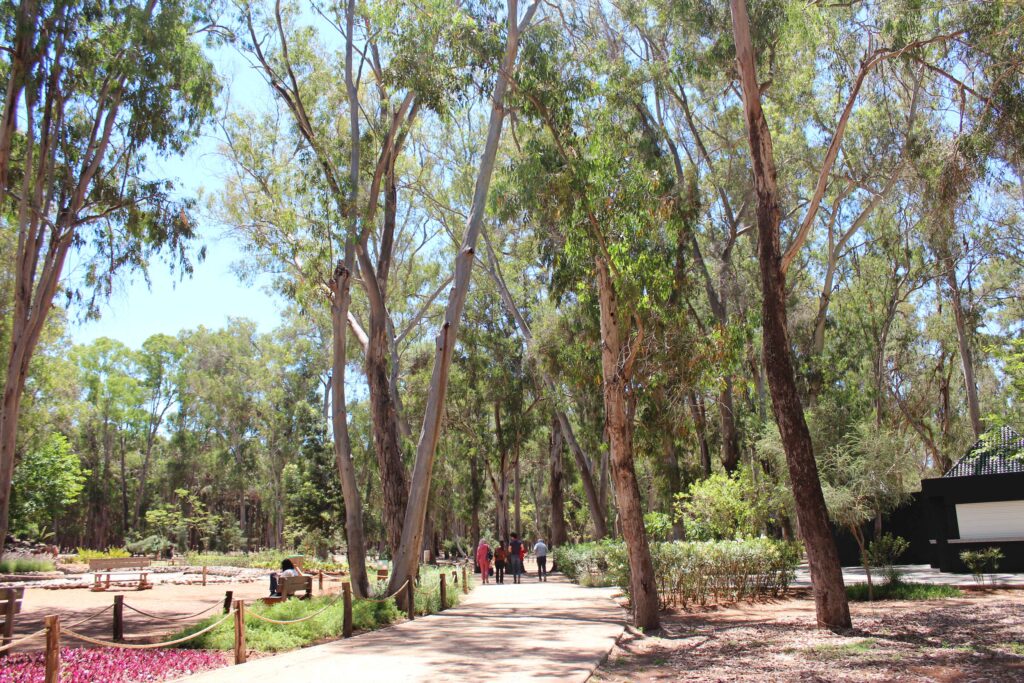
- X4XC+3P6, Av. Moustapha Assayeh, Rabat
- novembre 21, 2025
Populaire
- X5P4+FR Rabat
- novembre 21, 2025